This blog has been created to provide tools and hints to improve the learning process of English language.
Teacher: Ana Sánchez
Materiales de Ana
Symbaloos
Digital Clock
About me:
I am a teacher of English as a Foreign Language at a Secondary School in Logroño. The process of teaching and learning English together with my interest in the Internet and computers determines the birth of this blog. I would like to try the chances of bringing the Internet into my lessons as a tool for promoting autonomous learning of English among my students and the visitors here.
Project: The river that carries us/ the river that flows/ I´m a river.
+ With your
partner choose a river from the list proposed:
Thames,
Avon ( England), Severn (Wales), Water of Leith ( Scotland), Liffey ( Ireland),
Mississippi , Colorado ( US) Columbia River and Hillborough River ( Canada),
Yarra and Murray ( Australia)
+ You will
have three weeks to find information about it. You may be interested in these
aspects:
*
Geographical aspects
*
Cities / Towns
*
Relevant people
*
Animals and plants
*
Curiosities
*
A famous song/ A video link
+ Layout:
choose a title for your project. Use two or three cardboards DINA A4. You can
write on both sides of your paper. Handwrite your project. You can use images
to illustrate your work.
+ Include the
poem written from the activity: Boats Sail on a River.
+ Finish your
project with a personal reflectionby answering this question: Where does my
river take to me ? ( Physically or imaginarily)
+ You will
present your project to your American teacher and finally, you must hand it out
to your English teacher.
*
Check your work before writing your final version
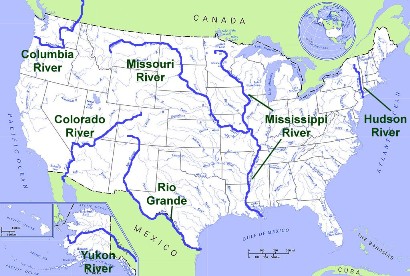
The Mississippi River is one of the most important rivers in the United
States. It flows 2,340 miles north to south from Minnesota to the Gulf
of Mexico in Louisiana. Together with the Missouri River, it forms the
fourth largest river system in the world. The source of the Mississippi is Lake Itasca in Minnesota.
In the early history of the United States, the Mississippi River served
as the westernmost border of the country until the Louisiana Territory
was purchased from France in 1803. After that, the river was a symbol of
the start of the American frontier. Today the river is an important
transportation waterway, carrying goods from the middle of the country
to the port of New Orleans and into the Gulf of Mexico.
The Mississippi River travels through several states including
Louisiana, Mississippi, Tennessee, Arkansas, Kentucky, Missouri,
Illinois, Iowa, Wisconsin, and Minnesota. It acts as the border between
several of these states. It also travels through several major cities
including Minneapolis, St. Louis, Memphis, and New Orleans.
Missouri
The Missouri River is the longest river in the United States at 2,540
miles long. Together with the Mississippi River, it forms the fourth
largest river system in the world. It begins in Western Montana and
flows to the Mississippi River just north of St. Louis. It travels
through several states including Montana, North Dakota, South Dakota,
Iowa, Nebraska, Kansas, and Missouri.
The first explorers to travel the entire
length of the Missouri River were Lewis and Clark. They used the
Missouri to make their way west when exploring the Louisiana Purchase.
The river played an important role in the early history of the American
frontier as the major trails to the west, such as the Oregon and Santa
Fe Trail, began at the Missouri River.
Rio Grande
The Rio Grande flows 1,900 miles from Colorado to the Gulf of Mexico.
Along the way it travels through New Mexico and serves as the southern
border of Texas between the United States and Mexico. Major tributaries
of the Rio Grande include the Rio Conchos, the Rio Chama, and the San
Juan River.
Hudson
The Hudson River flows 315 miles north to south in eastern New York. It
is a fairly short river when compared to many of the other rivers on
this page. However, the Hudson played an important role in the early
history of the United States. When the Erie Canal
was opened in 1825, the Hudson was connected to the Great Lakes. This
created a trade route from the Atlantic Ocean to the Great Lakes region.
It had a major impact in the growth of New York City.
Colorado
The Colorado River flows 1,450 miles from the Rocky Mountains of
Colorado to the Gulf of California. Along the way it passes through
Utah, Arizona, Nevada, California, and Mexico. The river is famous for
carving out the Grand Canyon over the course of millions of years. Today
the Colorado is an important source of water and power
for the southwest United States. The Hoover Dam was built on the
Colorado in 1936. It formed Lake Mead and provides power to the city of
Las Vegas.
Columbia
The largest river in the northwest region of the United States is the
Columbia River. It stretches 1,240 miles from the Canadian Rockies,
through Washington state, and along the Oregon-Washington border to the
Pacific Ocean. The river is an excellent source of power and is home to
Grand Coulee Dam, the largest power producing dam in the United States.
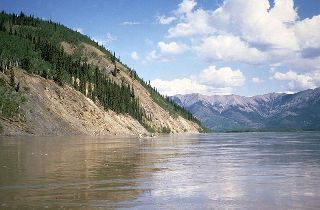
Yukon River in Alaska
Yukon
The Yukon River is the third longest river in the United States at 1,980
miles. It begins at Llewellyn Glacier in Canada and flows north to
Alaska where it proceeds to travel west across the state to the Bering
Sea.
A river is a flowing, moving stream of water. Usually a river feeds
water into an ocean, lake, pond, or even another river. Rivers can vary
in size and there is no hard definition or rule on how big a flow of
water must be to be categorized as a river. Water from a river can come
from rain, melting snow, lakes, ponds, or even glaciers. Rivers flow downhill from their source. They are considered part of the freshwater biome.
Vamos a hacer un ejercicio muy entretenido y guasón para descubrir palabras ambiguas en inglés.…¡típico English humour!
Vamos a ver homófonos(palabras que suenan igual pero que se escriben diferentes) y palabraspolisémicas (palabras que tienen más de un significado).
Para este ejercicio voy a utilizar un vídeo que es para descojonarse…bueno, depende de vuestro sentido del humor, a mí me hace mucha gracia.
¿Cómo vamos a hacer este ejercicio?
1) En primer lugar vamos a leer un diálogo entre un vendedor y un cliente.
2) Al final del diálogo os pongo un glosario por si hay alguna palabra que no entendáis.
3) Luego vemos el vídeo…y entenderéis muchas cosas y seguro que os sorprenderá…No tiene desperdicio, ¡de verdad!
4) Tras ver el vídeo, os explico un poquillo las palabras ambiguas que se utilizan en él.
**Tendréis que prestar mucha atención al diálogo del vídeo porque los actores utilizan unacento muy cerrado (Cockney), pero con la ayuda del diálogo escrito os será más fácil de seguir, ¡¡pero cuidado!!….el diálogo que escribo puede variar de lo que luego escuchéis realmente ;-)…en realidad hay dos diálogos…que lío, mejor vamos a verlo!!
Diálogo
Cliente: I bought something from you last week and I’m very disappointed.
Vendedor: Oh, ya, what’s the problem?
Cliente: Yeah, well, my blackberry is not working!
Vendedor: What’s the matter, it run out of juice?
Cliente: No, no, it’s completely frozen!
Vendedor: Oh, ya, I can see that! I’ll tell you what, let’s try on an Orange.
Cliente: That’s got a few black spots – you see!
Vendedor: Oh, dear! Oh, ya, sorry about that yeah!
Cliente: Would you get my Blackberry working?
Vendedor: Well could be an application issue. Where did you store the blackberry?
Cliente: It was on my desktop.
Vendedor: Well you could use a mouse to drag the blackberry to the trash then after you’ve done that you might want to launch the blackberry from the desktop.
Cliente: I’ve already tried that few times, I’ mean all it did was mess up Windows.
Vendedor: Well it might be worth waiting a couple of weeks, they got the latest blackberry coming in then.
Cliente: Could you give me a date?
Vendedor: Certainly!
Cliente: Let me put that date in my diary.
Vendedor: Anything else I can help you with?
Cliente: Yes, yes, I’ve also got a problem to be honest, with my Apple
Vendedor: Dear, oh dear, that is an old apple isn’t it? When did you buy it?
Cliente: Last week.
Vendedor: Last week? They’ve brought out two new apples since then. What’s the problem with it?
Cliente: I’m trying to put my dongle in it and it won’t fit.
Vendedor: Oh yeah, and how big is your dongle?
Cliente: Well I don’t know much about these things but my wife has seen a few dongles in her time and she says a little bit on the small side.
Vendedor: Frankly there’s nothing I can do about it. Tell you what? Let me try booting it. That’s crashed There it’s crashed. Anything else I can help you with?
Cliente: Funnily enough yes. My grandson’s birthday is soon. Now he’s already got an apple and a blackberry. I mean do you have anything else he might just like?
Vendedor: Well we’re doing a special on these. I can’t make head or tail of them. The kids seem to like them: X-box 360!
Ok, es un diálogo bastante claro, ¿no?
A un señor se le ha estropeado la Blackberry y va a una tienda de informática a quejarse y prueban la Blackberry con otra plataforma de telefonía: “Orange“.
De paso, el cliente le comenta al vendedor que su Appletiene problemas y que quiere comprar una X-Box para su nieto.
Os pongo un glosario para que todavía os quede más claro:
GLOSARIO 1
Disappointed: Decepcionado
Run out of juice: Acabársele la batería a algo
Frozen: Congelado
To store: guardar
Desktop: Mesa/ ordenador
Mouse: Ratón
Trash: Papelera
Launch: Iniciar
To mess up: Echar a perder/fastidiar
To be worth: Valer la pena
Date: Cita
Diary: Agenda
Dongle: Dispositivo de protección
Fit: Caber
To boot: Inicializar
To crash: bloquear
Make head or tail: Entender algo
Os recomiendo que, si no sabías el significado de alguna de estas palabras, os volváis a leer el diálogo para entenderlo perfectamente .
Cuando laNavidadse acerca, las calles se iluminan y los comercios se visten de gala. Los motivos navideños saturan todos los rincones y los árboles de Navidad se cargan deregalos.
Y aunque uno no tenga ese espíritu navideño (Christmas spirit) tan típico, es imposible no sentirse inmerso en esta festividad tan popular.
En esta lista vamos a conocer las 10 palabras más utilizadas en inglés durante esta festividad.
Si pinchas en las palabras en rojo podrás escuchar su pronunciación en diferentes acentos.
Significado: Navidad. Xmases una abreviatura y se suele utilizar por escrito en contextos informales.
Pronunciación: /ˈkrɪsməs/
Detalle: El día de Navidad se llama Christmas Day, pero a la Nochebuena se le llama Christmas Eve(pronunciación /iːv/). En E.E.U.U. se felicita la Navidad diciendo Merry Christmas!(¡Feliz Navidad!), pero en el Reino Unido se utiliza más la expresión Happy Christmas!,aunque cada vez la expresión americana se está haciendo más popular.
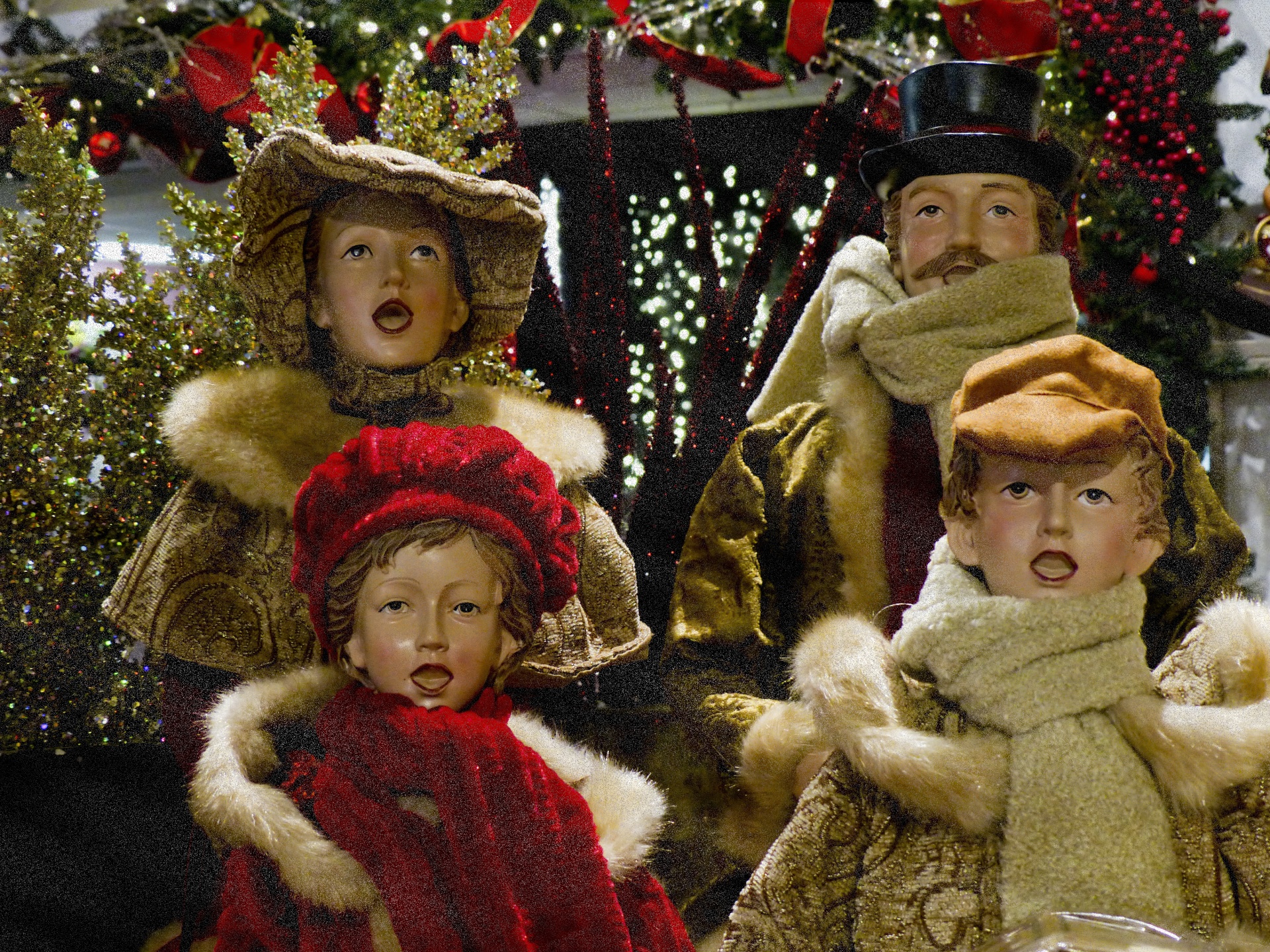
Detalle: Los villancicos, como en los países de habla hispana, también son muy típicos en los países anglosajones.
Estados Unidos tiene mucha tradición en componer y cantar villancicos y muchas de estas canciones tan populares provienen de este país, como por ejemplo “Jingle Bells” o “O Little Town of Bethlehem“.
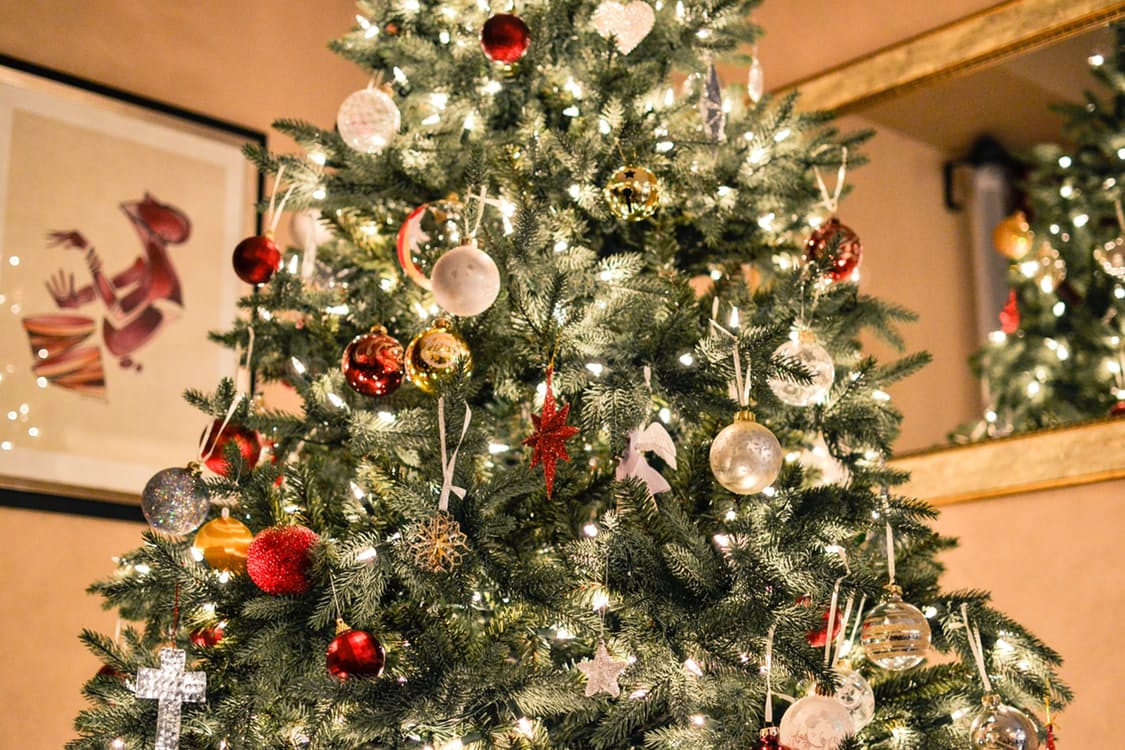
Detalle: El árbol de Navidad se adorna con ornaments(adornos) tales como bolas de Navidad (Christmas balls) o guirnaldas (garlands). En la copa del árbol se coloca un tree-topper(top significa ‘parte superior’) que suele ser una estrella (star) o unángel (angel).
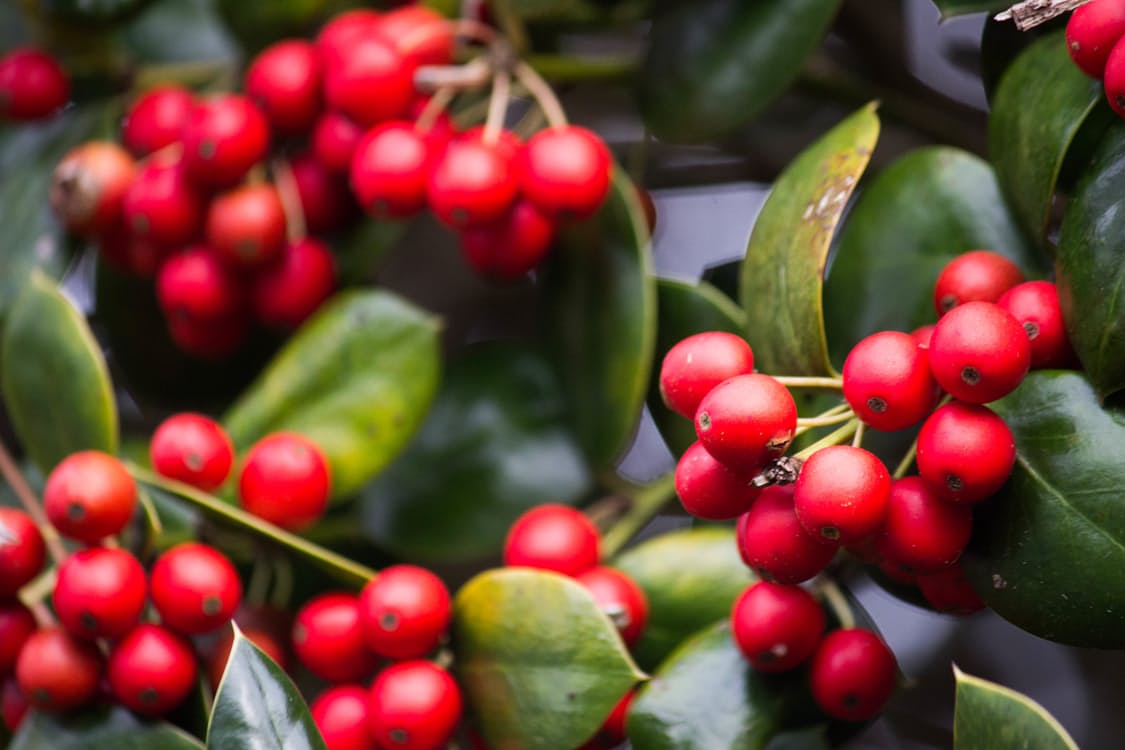
Detalle: Una ramita de muérdago se suele colgar en elmarco superior de las puertas. Se consideraba que besarse bajo él llevaría a la pareja al matrimonio (marriage). Si ves a alguien de pie bajo el muérdago deberías darle un beso (kiss). El hombre, tras besar o ser besado, debería arrancar uno de los frutos del mistletoe.
Detalle: La comida típica de Navidad en Estados Unidos y en Gran Bretaña suele ser el pavo asado (roast turkey) con verduras (vegetables) tales como coles de Bruselas(Brussels sprouts), zanahorias (carrots) y puré de patatas (mashed potatos), todo acompañado de diferentes salsas (sauces). De postre, entre tartas de calabaza y diferentes dulces, también se suele degustar el típico Christmas pudding con salsa de brandy (IMHO: sabe aaarggg….y es más feo que Picio. BTW, ¿quién es el pobre Picio?).
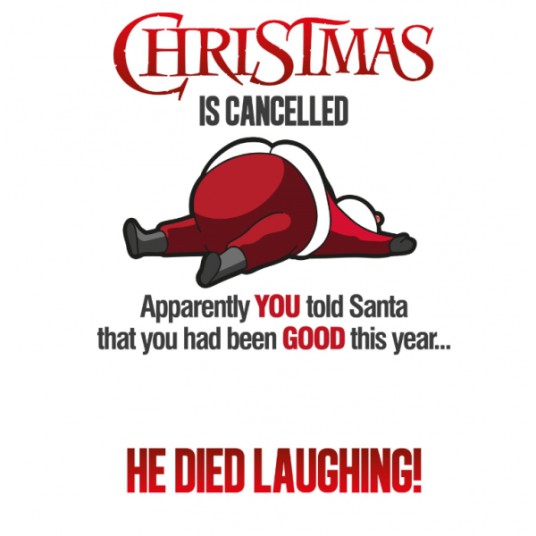
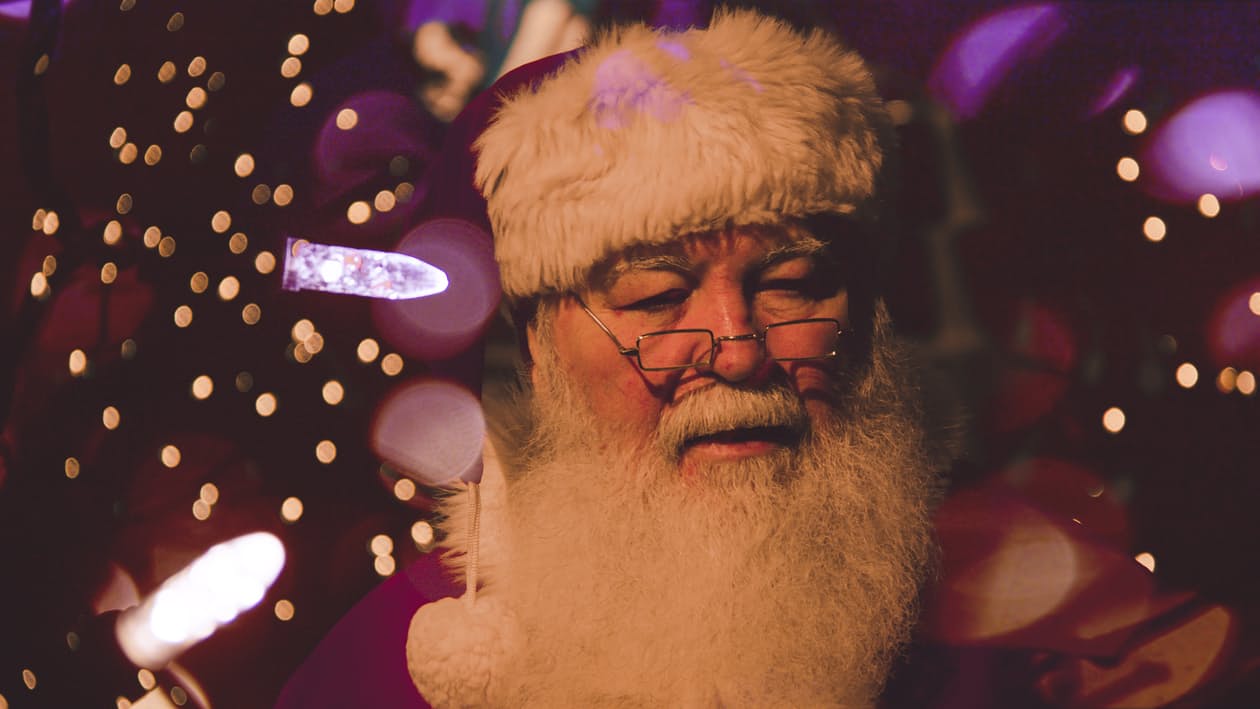
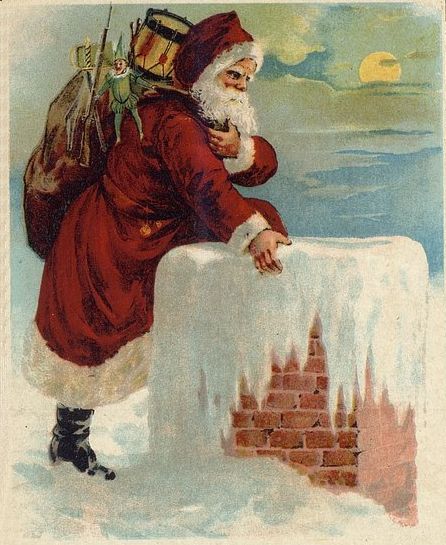
Detalle: A este simpático anciano también se le conoce como Father Christmas (father = padre) o Saint Nicholas. Es el encargado de dejar regalos(Christmas presents) bajo el árbol en nochebuena mientras todos duermen…siempre y cuando hayamos sido buenos durante el año. Este personaje es el resultado de la combinación de diferentes leyendas y personajes históricos, que van desde Odin, un dios en el paganismo germánico, hasta un generoso obispo del siglo IV. Aunque él solo es capaz de repartir regalos a todos los niños del mundo en una noche, necesita a sus elfos (elves) para que le ayuden a prepararlos.
Detalle: Es la entrada oficial de Santa Clausa las casas, así que acuérdate de apagar el fuego antes de ir a dormir. Si no tienes chimenea no te preocupes, Santa encontrará la manera de entrar.
Y recuerda que en inglés Santa entra por la ‘chimney’y sale por el ‘fireplace’(lugar donde se encuentra el fuego dentro de casa).
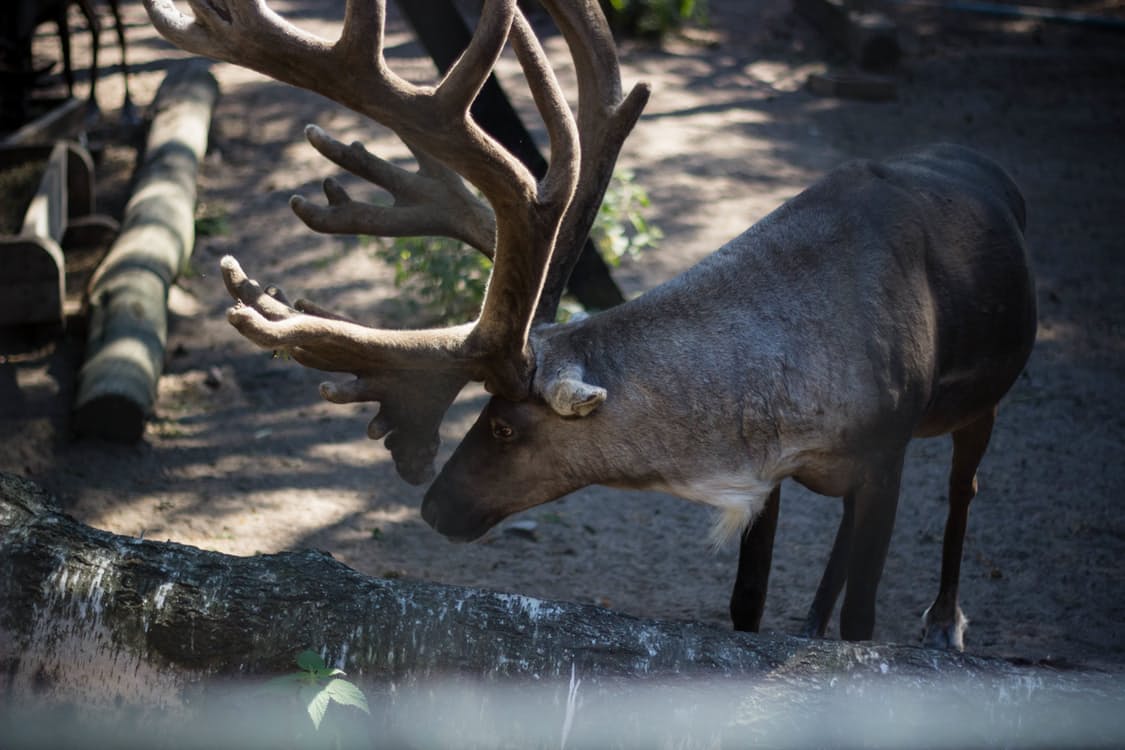
Detalle: Santa Claus da la vuelta al mundo llevando sus regalos en un trineo (sleigh) tirado por nueve renos. El reno al frente del trineo se llama Rudolf, el reno de la nariz roja (the red-nosed reindeer); su nariz es luminosa y sirve de guía en el oscuro clima invernal.
Detalle: Además de dejarte regalos bajo el árbol, Santa Claus te dejará golosinas (AmE: candy, BrE: sweets), incluyendo el típico bastón de caramelo navideño (candy cane). Para ello, debes colgar unos de estos calcetines en el fireplacepara que Santa lo rellene con un montón de dulces.
Detalle: El periodo navideño finaliza más tarde en países hispanos que en los países anglosajones. Los hispanos daremos por finalizada la Navidad una vez hayan traído sus regalos los Reyes Magos (The Three Wise Men) el 6 de enero. En países anglosajones sólo trae regalos Santa Claus, así que la Navidad acabará el día de Año Nuevo.
La noche anterior se llama New Year’s Eve(Nochevieja) y es la noche con más fiestas y celebraciones del año en países occidentales. Si a principio de año decides que ese año vas a aprender inglés, adelgazar o dejar de fumar, estás haciendo una New Year’s Resolution. We all do, don’t we?
Please, email to lenguaduquesdenajera@gmail.com in case of problems with links or any comments or suggestions.
If you find some language mistakes or errors, I’d appreciate your corrections.





 2.
2.  3.
3.  4.
4.  Significado: Comida de Navidad
 6.
6.  7.
7.  8.
8.  9.
9.