ST. PATRICK’S DAY


417178_396594680370656_353949271301864_1444010_872991538_n

To be: Past

12321603_793255564137985_2446496956546285965_n

Computers: vocabulary

Cartoon: Apple vs the FBI

This cartoon by Chappatte from the International New York Times refers to the ongoing dispute between Apple and the FBI over the former's refusal to help the latter break into the iPhone of San Bernardino shooter Syed Rizwan Farook.
Fbi cartoon
BACKGROUNDOn February 16th, a federal magistrate in California approved an order (PDF) granting the FBI permission to access to the data on the iPhone 5c belonging to the late terror suspect Syed Rizwan Farook, one of two individuals responsible for a mass shooting in San Bernadino on Dec. 2, 2015 in which 14 people were killed and many others were injured. Apple CEO Tim Cook released a letter to customers last week saying the company will appeal the order, citing customer privacy and security concerns. Read more >>
THE CARTOON
An FBI agent holding a gun in one hand and an iPhone in the other, tells the phone, "FBI! Open the door, Siri!". In the background we can see a magistrate.
EXPLANATION
Siri (short for Speech Interpretation and Recognition Interface) is Apple's intelligent personal assistant that uses speech recognition software to understand and carry out commands. The 'It's the FBI! Open the door!' cliché takes on another meaning here, because the door in question is a back door into the iPhone's operating system (a means of access to a computer program that bypasses security mechanisms). There could also be a play on Siri/Sir.
ALSO SEE
Apple v the FBI - a plain English guide (BBC News)
Facebook, Twitter side with Apple in iPhone fight (USA Today)
Gates breaks ranks over FBI Apple request (FT)

PRESENT PERFECT/ SIMPLE PAST


12311073_1053867024657844_450227833268511750_n1964790_471803192921618_1571274064_n
1978901_476277182474219_129709838_n
 10985860_842596605820747_121948824286522641_n10430846_918248321533370_6106035468079211640_n
 http://learnenglish.britishcouncil.org/en/grammar-reference/present-perfect

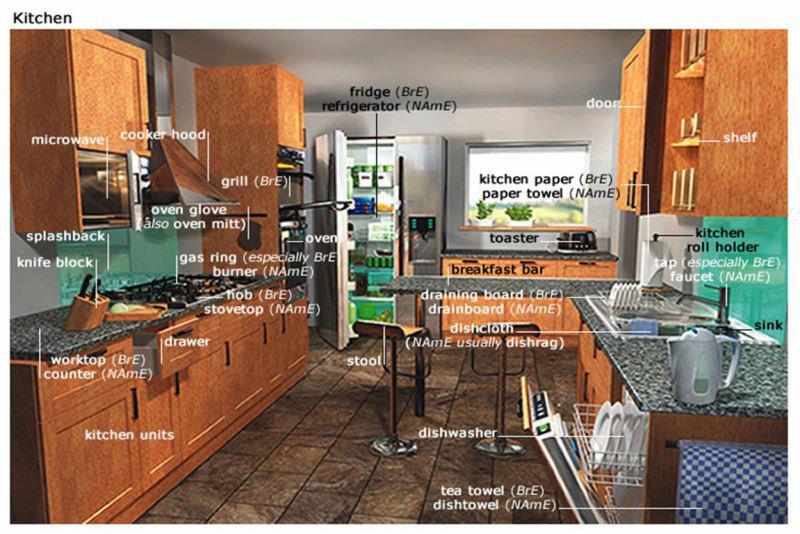
HOUSE AND FURNITURE


18301_965234133498284_7773709844970777176_n408303_575636399117692_1423227948_n386568_10151260700372230_133847399_n318775_365663620187416_425567354_n299349_364839460269832_579807678_n295740_538980036116662_1184578404_n295165_391406284284356_584667768_n  66071_372570839496694_1612973419_n65975_581248431888302_1892168625_n63587_507372559307296_728198101_n282750_255629501204184_1935035217_n60566_10151251937917230_800947502_n417533_339731512776938_1473295341_n580553_388233911266047_575186196_n577284_537191689658881_1791122125_n563464_587958557885476_726655730_n557842_571648849514927_1986602180_n556984_400629959994633_612289303_n555609_339731296110293_1314900022_n550355_447179045355704_2109314724_n549914_575637582450907_1796941810_n546942_359436487479123_326168223_n528999_440819805991628_113604919_n524119_486677698013563_1467498401_n470645_454695234545143_2077719588_o469448_486385984709401_596512700_o459048_471716916176308_212892962_o456807_452644084750258_166764790_o51993_285365608230573_1513980430_o11106_581685968511215_1496515148_n1358023817_sem-ttulo614876_471749842836862_1791129170_o1354396241_sem-ttulo644058_364839526936492_1555390481_n22202_576079982406667_410861812_n32346_379561442135507_1795832780_n


THE COMPARATIVE vs. THE SUPERLATIVE


COMPARATIVES
SUPERLATIVES
MAIN USE

Comparatives are used to compare two things and to highlight the superiority, inferiority, or equality of one term compared to another.
For comparisons in larger groups, you must use the superlative. The superlative designates extremes: the best, the first, the worst, the last, etc.
SUPERIORITY a) Short adjectives: adj + -ER THAN
Peter is taller than Sandra.

b) Long adjectives: MORE + adj + THAN
A Ferrari is more expensive than a Mini.
Short & long adjectives:
THE MOST + adjective

This is the most pleasant place on Earth!
EQUALITY Short & long adjectives:
AS... adjective... AS
English is as easy as German.
Doesn't exist
INFERIORITY Short & long adjectives:
LESS + adjectif + THAN
July is less cold than January.
Short & long adjectives:
THE LEAST + adjective
This is the least interesting movie of the year!
NOTES:
Short adjectives: 1 syllable (eg: young) + 2-syllable adjectives ending in -y (eg: pretty)
Long adjectives: all the other adjectives
COMPARATIVES:
> If the adjective ends in "--y" the "y" becomes "i" : heavy --> heavier
> If the adjective ends in "--e" only an "r" is needed: wise --> wiser
> If the adjective ends with "single vowel + consonant" the consonant is doubled and one adds "--er" : big --> bigger
> Some very common adjectives have irregular comparatives: good --> better | bad --> worse | far --> farther


SUPERLATIVES:
Irregular forms:         good --> the best ·        bad --> the worst ·        far --> the farthest

Modals


Modals


MODALS: CAN, MAY, MUST, HAVE TO
CAN
MUST
1) Ability
I can drive

2) Possibility
I can come
1) Obligation
I must do my homework.

2) For an opinion that you think has a good possibility of being true.
Look at his uniform. He must be a policeman.
MAY
HAVE TO
1) Probability
She may come tomorrow.

2) In a very polite question
May I open the window?
1) In the affirmative: HAVE TO has a meaning similar to MUST.
I have to go to the school.

2) In the negative: HAVE TO has a different meaning: 'you don't need to do that'
It's Sunday! I don't have to go to school.

Making suggestions


Making suggestions


4 ways to tell your friends what you would like to do in the next few days:

1) WHAT ABOUT/HOW ABOUT ... + Base form + -ING
What about going to the pictures tonight?
How about going to the pictures tonight?
2) WHY + NegativeWhy don't we go to the swimming pool tomorrow?

3) IMPERATIVE: Let's + Base form
Let's go to the restaurant now!

4) COULD
We could visit Paris next week.